Henry Etridge Wilkinson (1893-1915) of Martham
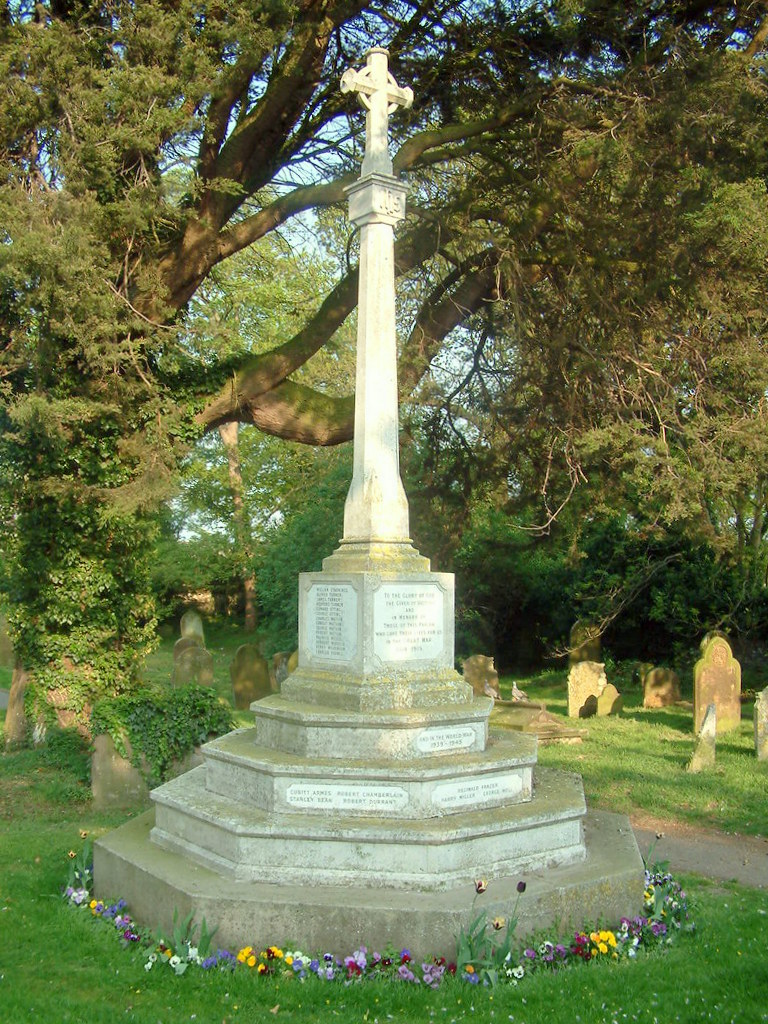
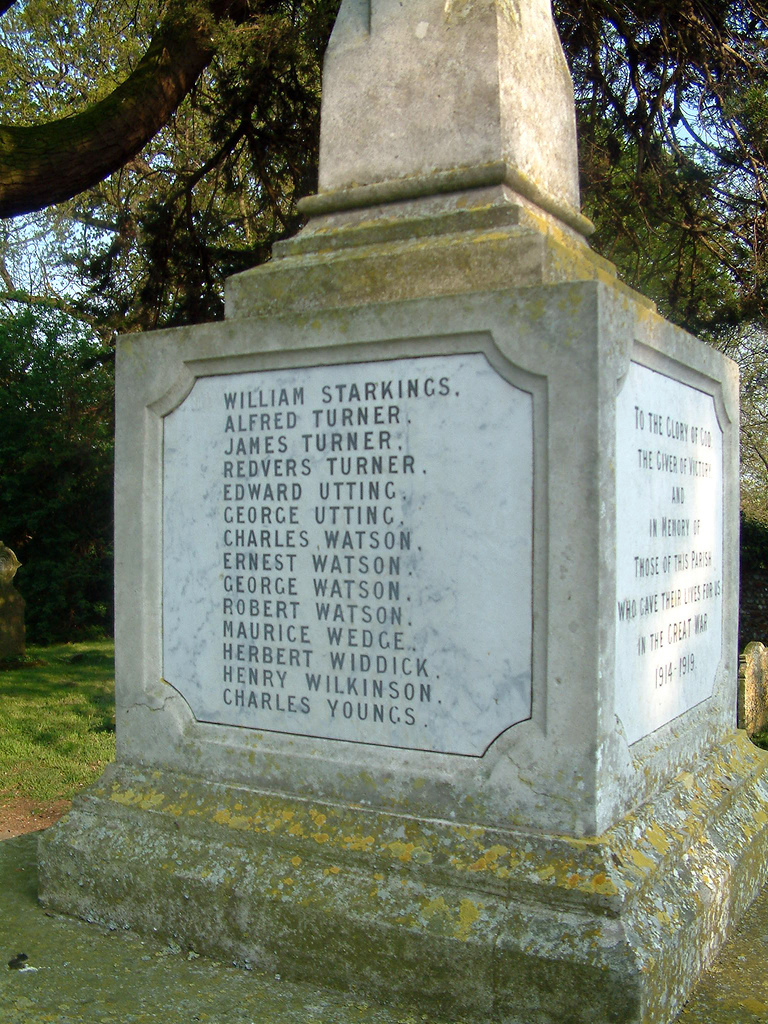
Henry is listed on the War Memorial as one of those who gave his life during the First World War.
Henry was born on 20th July 1893 in Martham. His father was a vet from Newcastle and had an identical name and his mother was Mary Ann, nee Womack. Henry was baptised on 5th September 1893 at St Mary’s. He was listed in the 1901 census when he lived with his parents in Repps Road. He attended the village school from 8th September 1902 until 22nd December 1905 having gained a County Scholarship. By the time he was 17, in 1911, he was an apprentice marine engineer living at Martham with his parents.
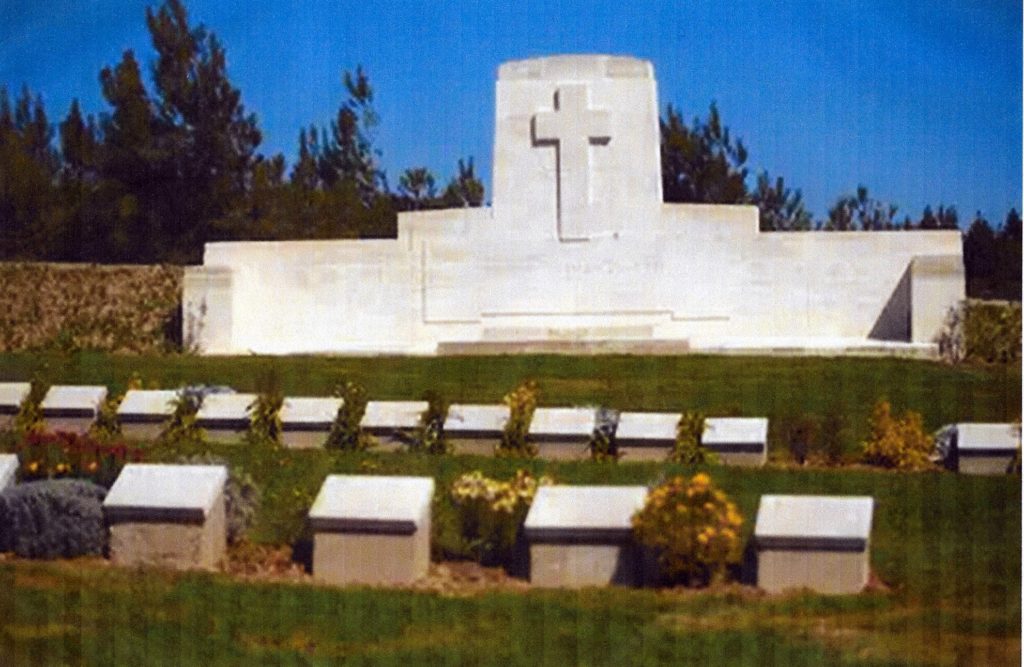
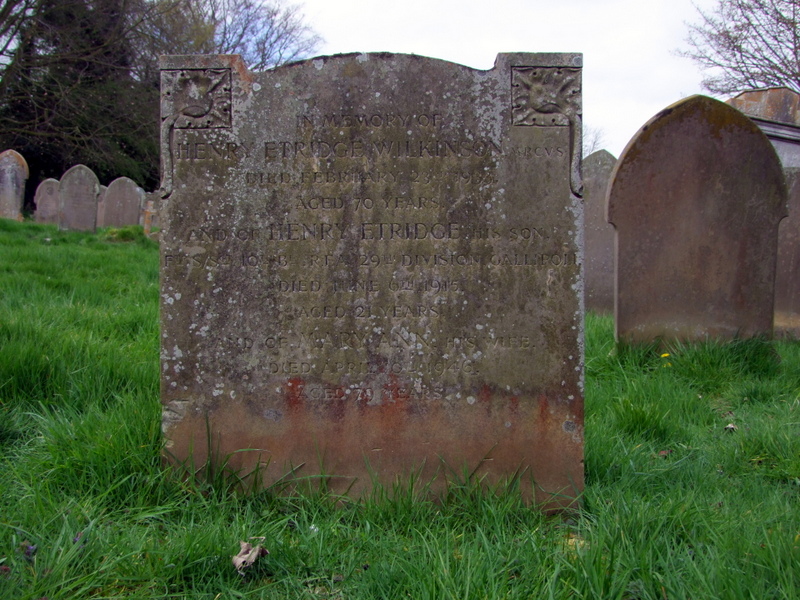
He enlisted at Woolwich and served as a fitter with the 10th Battery Royal Horse and Field Artillery and was a staff sergeant in 1915. His military service number was 51770. He died of wounds he received fighting at the Balkan Theatre, Gallipoli*, aged 21, on 6th June 1915 and was buried in Pink Farm Cemetery, Helles, Greece at plot III, row B, grave 6. He is commemorated on Martham War Memorial and with a gravestone in the graveyard at section H, plot K11.
*The Balkans Campaign, or Balkan Theatre of World War I was fought between the Central Powers, represented by Austria-Hungary, Bulgaria, Germany and the Ottoman Empire on one side and the Allies, represented by France, Montenegro, Russia, Serbia, and the United Kingdom on the other side.
I am most grateful to Michael Dale, whose wife, Nicola, is a descendant of Henry. Michael has provided the following detailed account of what Henry did in the war and the last few days leading up to his death.
When the First World War broke out Henry joined the army. He enlisted at Woolwich and served as a fitter with the 10th Battery Royal Horse and Field Artillery. As a fitter, he would have been working on the maintenance of guns, moving between sections and ensuring that each was working correctly and making running repairs. This would involve anything from replacing hydraulic fluid, damper springs and barrels. Occasionally, decisions would have to be made about replacements. As a fitter Henry would have had a comprehensive working knowledge of the guns in his charge and all their technical specifications. He was a senior NCO and held the rank of Staff Sergeant. He may well have had a small team of lesser-ranked personnel or he possibly relied on the gun detachment men to assist him if major work was required.
His unit was part of 147 Brigade and the diary for the Brigade’s ammunition column recounts the following. The ammunition column’s diary shows that they were formed on the 7th January 1915 at Leamington Spa. They stayed there until the 20th March 1915 when they moved to Avonmouth in Bristol and boarded the (hired military transport), HMT Manitou that night.
Five days later they arrived in Gibraltar where they dropped off some of the men who were sick along with their mail then immediately set sail again, arriving in the Grand Harbour, Malta on the 28th March.
They spent 23 hours there loading stores, coal and water, then set sail for Alexandria in Egypt that evening arriving on the 1st April. They stayed there for two weeks before setting sail again, this time to Lemnos in Greece. On the 16th April they were attacked by a torpedo boat losing 15 men. The Manitou was too badly damaged to continue and many men were picked up by the SS Reclaimer.
The next day they arrived at Lemnos and stayed there for a week. On the 25th April they set sail from Lemnos at 6am for the Dardanelles where they were to take part in the bombardment of the Peninsular of Gallipoli. They arrived at noon that day but had to wait on the ship until the 3rd May as there were no small barges available to get them unloaded.
The ammunition column’s diary shows they spent a day unloading and parked up near the lighthouse on the beach at Cape Helles where they stayed for the whole of May. It records that they were constantly under attack by enemy shells but suffered no serious casualties.
The diary for the Commander of the Royal Artillery in Gallipoli has been found and begins on the 1st June 1915. It is a high-level diary recording the actions of all the artillery in the area. They were split into groups consisting of between four and seven batteries in each. It shows that the Group 10 Battery was on the Gallipoli Peninsula that day and was involved in firing on a location known as Redoubt Hill.

The next day the group came under fire from the enemy’s 4.2 inch howitzers on the slopes of Achi Baba. On the 3rd June all of the batteries spent the day preparing for an attack expected to take place on the next day. The attack started on the morning of 4th June with a systematic bombardment with a mixture of high explosive and shrapnel shells, it stopped at noon so that our infantry could attack. Reports from the infantry said that most of the Turkish barbed wire had been cut although some places were still intact. Supporting fire began and carried on all afternoon, although by 4pm, one of the divisions reported the shells were too close to their positions so the range had to be increased. The diary reports that some of our forward troops carried red flags and red biscuit tin lids to mark their position for the artillery to use as site markers. A report that evening shows that Henry’s unit, 10 Battery had fired a total of 834 shrapnel shells throughout the course of the day. The next day, 5th June, the diary shows that his group fired on a junction and secondary fortifications, and they then came under fire themselves by enemy guns and a howitzer from a position known as Asia. It also says that preparations were made to meet a counterattack that night.
On the 6th June the various batteries were given areas to keep under observation and to open up if needed. This seemed to happen all day and at one point it mentions both 15-pound guns of the East Lancashire’s section being out of action due to the inner tubes being badly scored because they had fired so much, this is the type of thing Henry would have been expected to repair.
The diary does not record individual casualties but at some point during 6th June Henry was killed.